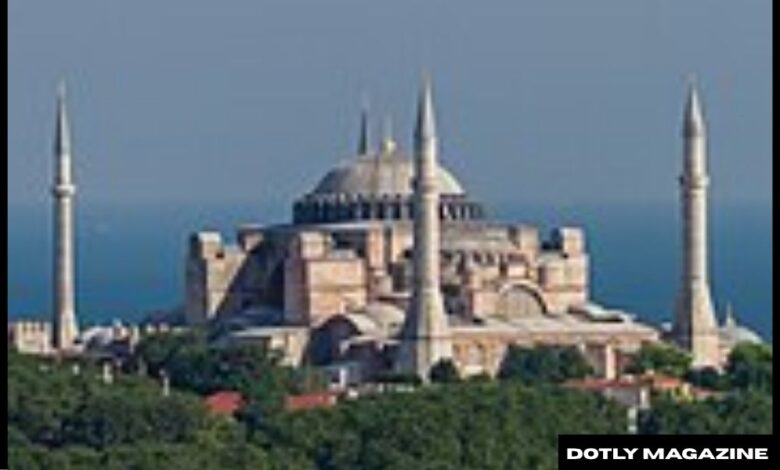
Turaska is a word that many readers search for because it sounds unusual, historical, and connected to a larger cultural story. In modern Bengali usage, Turaska is commonly understood as তুরস্ক, which means Turkey in English. It can refer to the country now officially called Türkiye, a nation located mainly in Anatolia in West Asia with a smaller part in Southeast Europe. However, the word Turaska also carries deeper historical value because it is linked with older language traditions, cultural identity, and references to Turkic people across different regions and time periods.
| Quick Bio | Details |
|---|---|
| Focus Keyword | Turaska |
| Common Meaning | Turkey |
| Bengali Form | তুরস্ক |
| English Translation | Turkey |
| Related Country | Türkiye / Turkey |
| Language Connection | Bengali and older Sanskrit-influenced usage |
| Main Interest | Meaning, origin, history, and cultural use |
What Does Turaska Mean?
Turaska is most commonly understood as a Bengali-language form of the word Turkey. A Bengali-English dictionary entry interprets “turaska” as তুরস্ক, meaning Turkey in English. This makes the word useful for readers who are trying to understand a translation, a cultural reference, or a historical term.
In simple words, when someone says Turaska in a Bengali context, they are usually referring to Turkey, the country known for its long history, strong cultural identity, and unique position between Asia and Europe.
The word may look unfamiliar to English readers, but for Bengali speakers, it connects directly with the name of the country. This is why Turaska often appears in translation searches, cultural discussions, and articles explaining country names.
Why People Search for Turaska
People search for Turaska because the word is not very common in everyday English. It looks like a name, a place, or even a brand at first glance. However, once readers explore it, they discover that it is strongly connected with Turkey and Bengali language usage.
Another reason people search for Turaska is curiosity about its origin. Some online articles connect the term with older Sanskrit forms, where similar words were used to describe Turkic people or groups. This gives the word a deeper historical layer beyond simple translation.
For many readers, Turaska is interesting because it connects language, geography, history, and identity in one word.
Turaska and Turkey
The strongest modern meaning of Turaska is Turkey. Turkey, officially the Republic of Türkiye, is located mainly in Anatolia in West Asia, with a smaller section called East Thrace in Southeast Europe. The country borders the Black Sea, Georgia, Armenia, Azerbaijan, Iran, Iraq, Syria, the Mediterranean Sea, the Aegean Sea, Greece, and Bulgaria.
This geography makes Turkey one of the most strategically important countries in the world. It connects Europe and Asia, and throughout history it has served as a bridge between different cultures, religions, empires, and trade routes.
When Bengali speakers use Turaska, they are usually pointing toward this country and its cultural identity.
The Official Name: Turkey or Türkiye?
Many people know the country as Turkey, but its official English name has changed in international use. In 2022, the country requested the use of Türkiye at the United Nations, and the name became officially recognized in that context. Public references still often use Turkey because it remains familiar to English-speaking audiences.
This matters when discussing Turaska because the Bengali word তুরস্ক traditionally translates to Turkey. In modern writing, readers may see both Turkey and Türkiye used depending on style, source, and context.
For SEO and readability, many articles still explain the word by saying Turaska means Turkey, while also noting that the country is officially called Türkiye.
The Language Origin of Turaska
Turaska has an older linguistic feel. Some modern explanations connect it with the Sanskrit term Turaṣka, which was historically used for Turkic or foreign groups in older South Asian writing. While exact usage could vary by time and source, the word developed cultural associations with people from Turkic regions.
This older background is one reason Turaska feels more historical than a simple modern country name. It carries the sound of classical language, migration, identity, and contact between civilizations.
Language often preserves old memories. A word like Turaska is not only a label for a country. It also reflects how people in South Asia understood distant lands and communities through trade, empire, religion, and travel.
Turaska in Bengali Usage
In Bengali, তুরস্ক is the standard word used for Turkey. Bengali speakers may use it when talking about the country, Turkish culture, Turkish people, Turkish food, tourism, politics, or history. A Bengali-English dictionary gives তুরস্ক as Turkey, confirming the modern translation.
For example, a Bengali speaker discussing Istanbul, Ankara, Turkish dramas, Turkish history, or Turkish football may naturally use তুরস্ক. In English transliteration, that can appear as Turaska or Turask.
This makes the keyword important for translation-based searches. Someone may see the Bengali word and type “Turaska meaning in English” to understand it clearly.
Why Turaska Sounds Historical
Turaska sounds historical because it does not feel like a modern English word. It has a classical South Asian tone, especially because of its connection with Sanskrit-influenced forms. Many old cultural and geographic terms from South Asian languages carry similar endings and sounds.
This gives Turaska a serious and academic feeling. It can appear in discussions about ancient names, old texts, ethnic groups, or regional identity. At the same time, it also has a simple modern use: it means Turkey in Bengali.
That double identity makes Turaska interesting. It is both old and current. It can belong to history and everyday language at the same time.
Turaska and Turkic Identity
The word Turaska is also connected with the broader idea of Turkic identity. Turkic peoples have a long history across Central Asia, Anatolia, the Caucasus, and other regions. Over centuries, Turkic-speaking groups influenced politics, culture, language, and empire-building across a large part of the world.
Modern Turkey is only one part of this wider story. However, because Turkey became the most globally recognized Turkic nation-state, many language traditions use words connected with “Turk” to refer to the country.
Turaska reflects that connection. It points not only to a modern map but also to an older cultural memory of Turkic peoples and their historical movement.
Turkey’s Place Between Asia and Europe
Turkey’s location is one of the main reasons it has such a powerful historical identity. Britannica describes Turkey as a country occupying a unique geographic position, lying partly in Asia and partly in Europe. Throughout history, it has acted as both a bridge and a barrier between the two continents.
This helps explain why a word like Turaska can carry so much meaning. Turkey is not just another country name. It represents a meeting point of civilizations. Greek, Roman, Byzantine, Seljuk, Ottoman, Islamic, European, and Asian influences all shaped the region.
When readers search Turaska, they may be entering a much bigger story than a simple translation.
The Cultural Image of Turaska
The cultural image behind Turaska is rich and layered. For many people, Turkey brings images of Istanbul, mosques, bazaars, Turkish tea, kebabs, historical palaces, ancient ruins, and the Bosphorus. It also brings ideas of Ottoman history, Islamic architecture, Turkish television dramas, and strong national identity.
In South Asian countries, including Bangladesh and parts of India, Turkey has also gained attention through historical interest, tourism, popular Turkish dramas, and cultural admiration. Because Bengali speakers use তুরস্ক for Turkey, the word Turaska can appear in these discussions.
This is why the keyword has emotional value as well as linguistic value.
Turaska in Modern Online Searches
Online, Turaska is searched for several reasons. Some users want a translation. Some want a historical explanation. Some may think it is a person’s name. Others may see it in a video, article, or Bengali sentence and want to understand it.
Search results show that Turaska is often explained as meaning Turkey in Bengali. Some articles also describe its historical origin and cultural background. This makes the keyword useful for educational content, language blogs, country guides, and historical explainers.
The rise of such searches shows how language curiosity works online. A single unfamiliar word can lead readers into geography, history, culture, and identity.
Is Turaska a Person’s Name?
Turaska is not commonly recognized as a famous person’s name. It is better understood as a word connected with Turkey, especially in Bengali and historical language contexts. While unusual words can sometimes be used as names, the main public meaning of Turaska is not a celebrity or individual identity.
This is important because some readers may search “Who is Turaska?” thinking it is a person. A better question is “What is Turaska?” because the word mainly refers to a place and cultural concept.
Is Turaska a Country?
Turaska itself is not a separate country. It is a word used to refer to Turkey. In Bengali usage, তুরস্ক means Turkey. Turkey’s official international name is now commonly styled as Türkiye, but many English sources still use Turkey for clarity and familiarity.
So, the simplest answer is this: Turaska means Turkey.
Turaska and Translation Confusion
Translation confusion is one of the biggest reasons people search Turaska. When a word moves from Bengali script into Roman letters, spelling can vary. Some people may write Turaska, Turask, Turoshko, or Turska depending on pronunciation and transliteration style.
This can make the word harder to identify. A reader may not immediately know that Turaska is connected with তুরস্ক. Once the Bengali form is understood, the meaning becomes much clearer.
Transliteration often creates these differences. That is why explaining both the Roman spelling and the original Bengali meaning is helpful.
Turaska and the Ottoman Connection
Turkey’s historical identity is strongly linked with the Ottoman Empire. The Ottoman Empire once controlled large parts of the Middle East, North Africa, and Southeastern Europe. After World War I, the modern nation-state of Turkey was founded in 1923 under Mustafa Kemal Atatürk.
This history affects how people understand words connected with Turkey. Turaska is not just a modern geographic label. It is attached to a country with an imperial past, a major political transformation, and a strong cultural legacy.
For readers interested in history, Turaska can become a doorway into studying the Ottomans, Anatolia, Turkish nationalism, and modern Türkiye.
Turaska in Educational Writing
Turaska is a useful keyword for educational writing because it allows writers to explain language and history together. An article on Turaska can help readers understand Bengali translation, country names, old Sanskrit terms, Turkic identity, and Turkey’s geography.
This kind of topic works well for students, language learners, culture bloggers, and readers who enjoy learning the background of words. It is simple enough for beginners but deep enough for a detailed article.
The best way to explain Turaska is to start with its modern meaning and then move into its historical background.
Why Turaska Has SEO Potential
Turaska has SEO potential because it is a specific and less competitive keyword. People who search it usually want a clear answer. They may type questions like “Turaska meaning,” “Turaska meaning in English,” “What is Turaska,” or “Turaska country.”
A good article can answer these questions directly while also adding helpful context. Since the word is not overly broad, content can rank more easily if it provides a complete and readable explanation.
For SEO, the keyword should be used naturally, not repeatedly in a forced way. The article should explain the meaning, language connection, country reference, and history in a smooth structure.
The Simple Meaning of Turaska
The simple meaning of Turaska is Turkey. More specifically, it is connected with the Bengali word তুরস্ক, which translates to Turkey in English. That is the most direct and useful explanation for general readers.
However, the deeper meaning includes cultural memory, Turkic identity, historical language, and the connection between South Asian languages and distant regions. This deeper layer is what makes the word interesting.
So, Turaska is both simple and meaningful. It gives one direct answer but also opens the door to a larger story.
Final Thoughts on Turaska
Turaska is a unique word with a clear modern meaning and a rich historical feeling. In Bengali usage, it means Turkey, the country now officially called Türkiye in many international contexts. But beyond translation, Turaska carries cultural, linguistic, and historical value.
It connects Bengali language, older Sanskrit-influenced terms, Turkic identity, and the long story of Turkey as a bridge between Asia and Europe. That is why Turaska is more than just a word. It is a small doorway into geography, history, and cultural understanding.
For readers searching the term, the answer is simple: Turaska means Turkey. But the story behind that answer is much deeper and more interesting.
FAQs About Turaska
What does Turaska mean?
Turaska commonly means Turkey, especially when connected with the Bengali word তুরস্ক. It refers to the country known in English as Turkey and officially as Türkiye.
Is Turaska a Bengali word?
Yes, Turaska is connected with Bengali usage. The Bengali word তুরস্ক translates to Turkey in English.
Is Turaska the same as Turkey?
Yes, in modern Bengali context, Turaska refers to Turkey. It is not a separate country.
What is the Bengali form of Turaska?
The Bengali form is তুরস্ক. It is commonly used when referring to Turkey.
Is Turaska a person?
No, Turaska is not commonly known as a person’s name or celebrity name. It is mainly a word connected with Turkey.
Why does Turaska sound old?
Turaska sounds old because it has connections with Sanskrit-influenced language forms and older cultural references to Turkic people or regions.
What is the official name of Turkey now?
Turkey requested the use of Türkiye in international contexts, and the United Nations recognized that official English-language form in 2022. Many people still use Turkey in everyday English.
Why do people search for Turaska?
People search for Turaska to understand its meaning, translation, origin, and connection with Turkey or Türkiye.
Is Turaska related to Turkic people?
Yes, historically related forms of the word are connected with Turkic identity and older references to Turkic groups.
How should Turaska be used in an article?
Turaska should be used as the focus keyword while explaining that it means Turkey in Bengali and may also carry historical and cultural meaning.
Visit for more info Dotlymagazine.co.uk