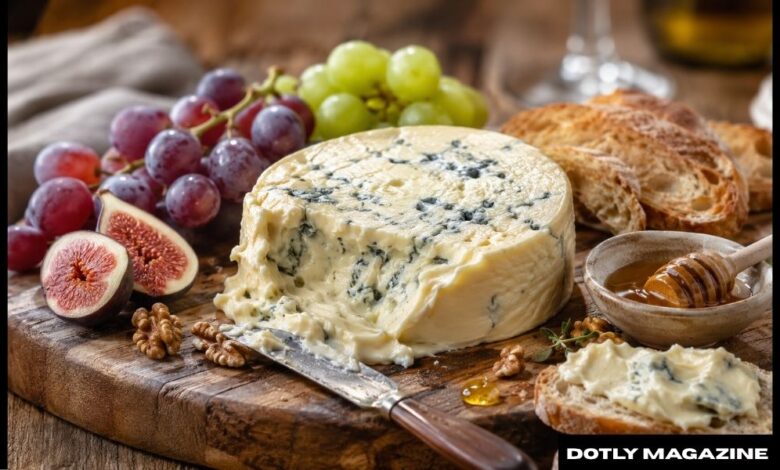
Masgonzola is an emerging food term that appears to describe a creamy, rich cheese-style blend inspired by mascarpone and Gorgonzola, bringing together soft sweetness and bold blue-cheese depth in one memorable idea. The word is not as widely established as traditional cheese names, but online food discussions describe it as a modern mash-up that softens the sharp personality of Gorgonzola with the smooth, buttery character of mascarpone. Since Gorgonzola itself is a famous Italian blue cheese made from cow’s milk and known for its blue-green veins, Masgonzola feels like a creative way to explain a softer, creamier version of that bold flavor profile.
| Quick Info | Details |
|---|---|
| Focus Keyword | Masgonzola |
| Main Category | Cheese-style food concept |
| Flavor Profile | Creamy, tangy, rich, mildly sharp |
| Inspired By | Mascarpone and Gorgonzola |
| Best Used In | Pasta, risotto, toast, pizza, sauces, dips, salads |
| Texture | Soft, spreadable, smooth, and creamy |
| Main Appeal | Combines gentle creaminess with blue-cheese character |
What Is Masgonzola?
Masgonzola is best understood as a modern cheese-inspired term that blends the idea of mascarpone and Gorgonzola. It is often explained as a creamy blue-cheese concept rather than a fully traditional cheese category with a long official history.
The name itself gives a strong clue. “Mas” likely points toward mascarpone, the soft Italian cream cheese known for its smooth and rich texture. “Gonzola” clearly points toward Gorgonzola, the famous Italian blue cheese known for its sharp aroma, blue veining, and bold taste.
Together, Masgonzola suggests a cheese experience that is less aggressive than pure blue cheese but more flavorful than plain cream cheese.
Why Masgonzola Is Getting Attention
Masgonzola is gaining attention because modern food lovers enjoy hybrid flavors. People want ingredients that feel familiar but still offer something new. A creamy blue-cheese blend fits that trend perfectly.
Pure Gorgonzola can be too strong for some eaters. It has a bold smell, salty bite, and tangy finish. Mascarpone, on the other hand, is mild, buttery, and smooth. When these two ideas come together, the result feels balanced.
That balance is the reason Masgonzola works as a food concept. It offers the personality of blue cheese without overwhelming the dish.
The Meaning Behind the Name Masgonzola
The word Masgonzola appears to be a blend name. It sounds like a combination of mascarpone and Gorgonzola, which makes it easy to understand for food lovers.
This type of naming is common in modern food culture. A blended name can quickly explain what a product or flavor idea is about. In this case, Masgonzola suggests creaminess, Italian inspiration, and blue-cheese richness.
Although the name is not as globally recognized as Gorgonzola, it has strong branding potential. It sounds memorable, premium, and food-friendly.
Masgonzola and Gorgonzola
To understand Masgonzola, it helps to first understand Gorgonzola. Gorgonzola is an Italian blue cheese made from cow’s milk. It is known for its soft or crumbly texture, salty taste, and blue-green mold veins. Traditional Gorgonzola is available in milder and sharper styles, commonly known as dolce and piccante.
This matters because Masgonzola appears to borrow its bold identity from Gorgonzola. The “blue” character gives the flavor depth, while the creamy element makes it easier to enjoy.
For people who avoid blue cheese because it feels too strong, Masgonzola could feel more approachable.
Masgonzola and Mascarpone
Mascarpone is known for its soft, smooth, rich, and mildly sweet creaminess. When paired with Gorgonzola, it can reduce the sharpness and create a more luxurious texture. Some Italian-style cheese products already combine Gorgonzola and mascarpone in layered or blended forms, showing that this flavor pairing has practical food appeal.
This is where Masgonzola becomes interesting. It can be seen as a simple way to describe that creamy-meets-bold combination.
The mascarpone side brings comfort. The Gorgonzola side brings character. Together, they create a flavor that can work in both casual and gourmet dishes.
What Does Masgonzola Taste Like?
Masgonzola would likely taste creamy, tangy, buttery, lightly salty, and mildly sharp. It should not feel as intense as strong blue cheese alone. Instead, it would have a smoother finish.
The first taste may feel rich and soft. Then the blue-cheese note may appear with a gentle tang. The aftertaste could be savory, slightly earthy, and creamy.
This makes Masgonzola useful for people who want a cheese with personality but do not want something too pungent.
Why Masgonzola Works in Cooking
Masgonzola works well in cooking because creamy cheeses melt beautifully. A cheese inspired by mascarpone and Gorgonzola would be especially useful in sauces, pasta, risotto, and warm appetizers.
The creamy part helps create a smooth base. The blue-cheese part adds flavor without needing too many extra ingredients. That means a small amount of Masgonzola-style cheese can make a dish feel richer and more complex.
It is the kind of ingredient that can turn a simple meal into something restaurant-style.
Masgonzola in Pasta
Pasta is one of the best places to use Masgonzola. A creamy blue-cheese sauce can coat noodles beautifully and create a rich, comforting dish.
It would work especially well with fettuccine, penne, gnocchi, rigatoni, or tagliatelle. The sauce could be made with a little butter, cream, black pepper, and Masgonzola. For extra balance, walnuts, spinach, mushrooms, or caramelized onions could be added.
The result would be creamy but not boring. The blue-cheese note would give the dish a gourmet edge.
Masgonzola in Risotto
Masgonzola can also work beautifully in risotto. Risotto needs creaminess, but it also needs flavor depth. A cheese like Masgonzola could provide both.
It could be stirred in near the end of cooking, after the rice has become tender. This would give the risotto a smooth texture and a rich finish.
Mushroom risotto, pear risotto, pumpkin risotto, and walnut risotto could all work well with Masgonzola. The cheese would add a savory note that balances sweet or earthy ingredients.
Masgonzola on Pizza
Pizza is another natural match. Blue cheese is already used on gourmet pizzas, especially with ingredients like pear, fig, prosciutto, mushrooms, caramelized onions, and arugula.
Masgonzola would offer a softer version of that flavor. It could be dotted over pizza before baking or added after baking for a creamier effect.
A Masgonzola pizza could taste rich, slightly tangy, and elegant. It would be ideal for people who enjoy cheese-forward pizzas but want something more refined than standard mozzarella.
Masgonzola as a Spread
Because Masgonzola sounds creamy and soft, it would also work well as a spread. It could be served on toasted bread, crackers, crostini, or flatbread.
For a simple appetizer, it could be paired with honey, figs, roasted grapes, walnuts, or fresh herbs. These sweet and nutty flavors would balance the tangy cheese.
This makes Masgonzola useful for entertaining. It can feel fancy without requiring complicated preparation.
Masgonzola in Salads
Masgonzola can bring richness to salads. Blue cheese is often used in salads because it adds salt, tang, and creaminess. A softer Masgonzola-style cheese could do the same in a more gentle way.
It would pair well with bitter greens, pears, apples, walnuts, roasted beets, grilled chicken, or balsamic dressing. The creamy texture would make the salad feel more satisfying.
This is a smart way to use strong cheese without making the whole dish feel heavy.
Masgonzola and Sweet Pairings
One reason blue cheese works so well in gourmet food is that it pairs beautifully with sweetness. Masgonzola would likely work the same way, especially because the mascarpone-style creaminess would soften the sharp edges.
Good sweet pairings could include honey, dates, figs, pears, apples, grapes, and fruit preserves. These ingredients add freshness and contrast.
A simple board with Masgonzola, crackers, fruit, nuts, and honey could feel elegant and easy.
Masgonzola and Savory Pairings
Masgonzola can also pair with savory ingredients. Mushrooms, roasted garlic, onions, steak, chicken, potatoes, and pasta all match well with creamy blue-cheese flavors.
The key is balance. Since the cheese has a strong personality, it should not be combined with too many competing bold ingredients at once.
A simple dish often works best. For example, roasted potatoes with Masgonzola sauce could taste rich and comforting without feeling complicated.
Is Masgonzola a Real Traditional Cheese?
Masgonzola should be described carefully. It does not appear to be a traditional protected cheese name like Gorgonzola. Gorgonzola has a recognized history, defined production identity, and protected status in Europe. Masgonzola, by contrast, appears more like a modern food term or creative blend concept.
That does not make the idea useless. Many food terms begin as creative descriptions before becoming more widely used. Masgonzola may simply be a newer way to describe a creamy blue-cheese blend.
For accuracy, it is best to call it a cheese-style concept or modern blend rather than a long-established traditional cheese.
Why Food Lovers May Enjoy Masgonzola
Food lovers may enjoy Masgonzola because it offers contrast. It is creamy but sharp. Rich but balanced. Familiar but different.
It is also versatile. It can be used in simple snacks or more polished dishes. That makes it useful for home cooks who want easy flavor upgrades.
A small amount can change the personality of a dish. This is one reason creamy blue-cheese blends are popular in sauces, appetizers, and gourmet comfort food.
Masgonzola for Beginners
Masgonzola could be a good starting point for people who are new to blue cheese. Strong blue cheeses can feel intimidating, especially for people who dislike pungent aromas.
A mascarpone-style blend would likely make the flavor softer and smoother. This allows beginners to enjoy the tangy character without being overwhelmed.
For first-time use, it is better to try Masgonzola with bread, fruit, or pasta. These foods balance the flavor and make it easier to enjoy.
Masgonzola for Gourmet Cooking
For gourmet cooking, Masgonzola has strong potential. It can add depth to sauces, richness to appetizers, and personality to cheese boards.
Chefs and home cooks could use it in stuffed mushrooms, creamy polenta, steak sauce, baked pasta, risotto, or savory tarts. It could also work as a filling for ravioli or a topping for grilled vegetables.
The best dishes would let the cheese shine without overpowering everything else.
Storage and Serving Tips
A Masgonzola-style cheese should be stored properly, especially if it contains soft cheese and blue cheese. It should be kept chilled and sealed to protect freshness.
Before serving, it can be helpful to let it sit for a short time at room temperature. This allows the texture to soften and the flavor to open up.
It should be served in small amounts because creamy blue-cheese flavors are rich. A little can go a long way.
Final Thoughts on Masgonzola
Masgonzola is a modern food keyword with strong flavor potential. It appears to describe a creamy cheese-style blend inspired by mascarpone and Gorgonzola, combining soft richness with bold blue-cheese character.
Its appeal comes from balance. Gorgonzola brings tang, salt, and depth. Mascarpone brings smoothness, creaminess, and softness. Together, they create a flavor idea that can work in pasta, pizza, risotto, salads, sauces, and appetizers.
While Masgonzola should not be confused with traditional protected Gorgonzola, it remains an interesting concept for food lovers who enjoy creamy, bold, and creative cheese experiences.
FAQs About Masgonzola
What is Masgonzola?
Masgonzola is an emerging food term that appears to describe a creamy cheese-style blend inspired by mascarpone and Gorgonzola.
Is Masgonzola the same as Gorgonzola?
No. Gorgonzola is a traditional Italian blue cheese, while Masgonzola appears to be a modern blend-style concept connected with mascarpone and Gorgonzola.
What does Masgonzola taste like?
Masgonzola likely tastes creamy, tangy, rich, slightly salty, and mildly sharp, with a smoother finish than strong blue cheese.
Is Masgonzola good for pasta?
Yes. Masgonzola would work well in pasta because it can create a creamy sauce with bold flavor.
Can Masgonzola be used on pizza?
Yes. It can be used on gourmet-style pizza with ingredients like mushrooms, pears, figs, walnuts, onions, or arugula.
Is Masgonzola a traditional Italian cheese?
Masgonzola does not appear to be a protected traditional Italian cheese name. It is better described as a modern cheese-style concept or blend.
What pairs well with Masgonzola?
Masgonzola pairs well with honey, figs, pears, walnuts, mushrooms, pasta, bread, roasted potatoes, and grilled meats.
Is Masgonzola strong?
It may have a blue-cheese tang, but the mascarpone-style creaminess would likely make it milder than pure Gorgonzola.
Can beginners try Masgonzola?
Yes. It may be easier for beginners than strong blue cheese because it sounds creamier and more balanced.
Why is Masgonzola becoming popular?
Masgonzola is gaining attention because it feels like a creative, modern food concept that combines comfort, richness, and gourmet flavor.
Visit for more info Dotlymagazine.co.uk